Section 301 Tariffs
September 17, 2018
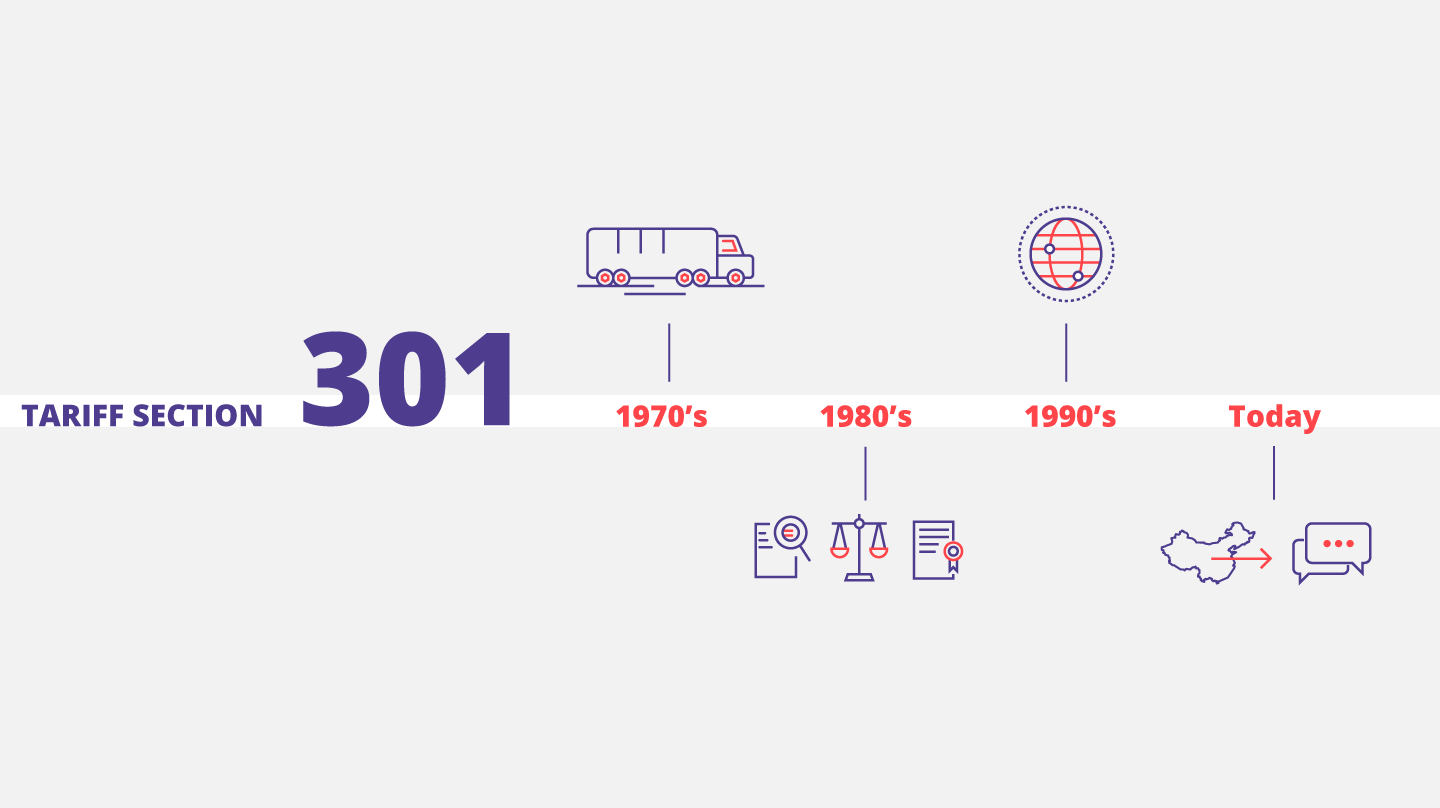
Section 301 of the Trade Act of 1974, as amended, gives the President the authority to take actions, including tariffs, against foreign trade practices violate trade agreements or are otherwise unfair, unreasonable, or discriminatory.
China engages in discriminatory trade practices, including forced technology transfers and inadequate intellectual property protections, but unilateral tariffs are not the right approach.
Unilaterally imposing tariffs through Section 301 of the Trade Act of 1974 are putting U.S. businesses, farmers, communities and families at risk, including from foreign retaliatory actions.
To learn more about Business Roundtable’s recommendations for Chinese reforms to address trade and investment barriers, click here.
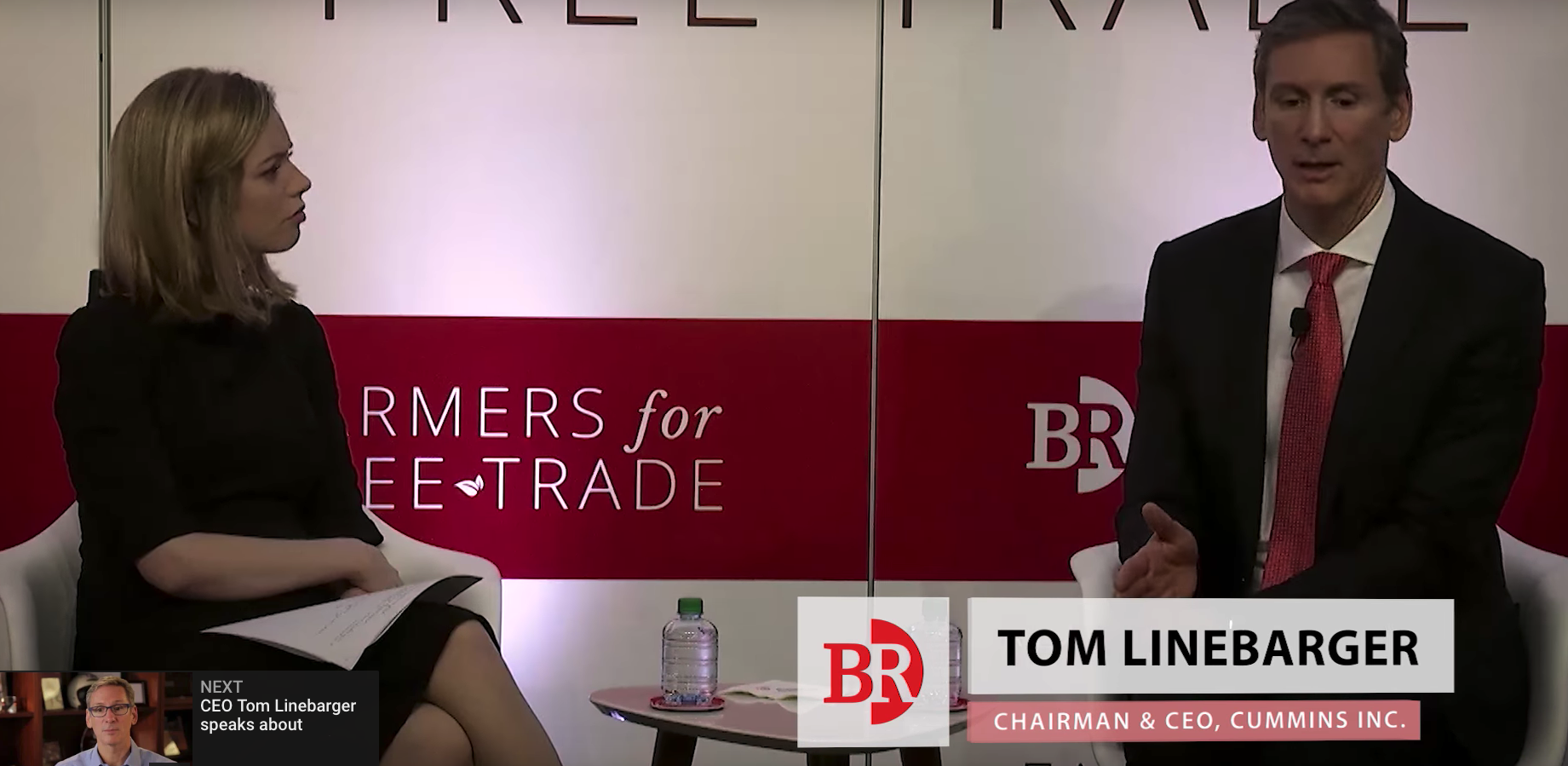
Cummins Inc. CEO Tom Linebarger on Strategic, Long-Term Approach to Address Trade Barriers in China
During a conversation on trade and American competitiveness co-hosted by Business Roundtable and Farmers for Free Trade, Tom Linebarger – Chairman and CEO of Cummins Inc. and Chair of the Business Roundtable International Engagement Committee, lays out additional strategic priorities that should be included in an effective, long-term strategy to continue to improve U.S.-China trade relations.